Skip to content
Oncocouncil.ai
All Councils
Patient-Based Council

Head & Neck Cancers Council

In head and neck cancers the goal is not only to control the tumor but also to preserve speech, swallowing and appearance. That balance can only be struck in a multidisciplinary council.

About the disease

Head and neck cancers involve functionally critical regions such as the larynx, oropharynx, oral cavity, nasopharynx and salivary glands. The treatment decision must weigh oncological success against quality of life.

HPV-related oropharyngeal cancers follow a different course, and treatment intensity is reconsidered accordingly. Determining p16 / HPV status is therefore critical.

The sequence of surgery, radiotherapy and chemotherapy, the suitability of organ-preserving approaches, nutritional support and dental assessment are all planned together before treatment begins.

Which specialties evaluate it?

In this council your case is reviewed jointly by the disciplines below.

  • ENT / Head & Neck Surgery
  • Radiation Oncology
  • Medical Oncology
  • Radiology
  • Pathology
  • Nuclear Medicine
  • Dentistry
  • Nutrition
  • Rehabilitation

Files requested from the patient

  • Pathology report and p16 / HPV status
  • Head and neck MRI / CT images and reports
  • PET/CT report (if available)
  • Endoscopy and examination findings, with image records if available
  • Discharge summary and a summary of treatments received
  • Dental assessment and nutritional status information

Clinical questions answered

  • Is organ-preserving treatment possible for me?
  • Should surgery or chemoradiotherapy take priority?
  • How will my speech and swallowing be affected, and how can they be protected?
  • Does my HPV status change the intensity of treatment?
  • How should dental and nutritional preparation be handled before treatment?
  • What will the rehabilitation process look like after treatment?

Scope of the council report

  • Written opinion confirming the case was reviewed by a multidisciplinary council
  • Council confirmation of the diagnosis, stage and risk group
  • Recommended treatment options and the reasoning behind them
  • Alignment with current guidelines (ESMO / NCCN) and a level-of-evidence note
  • Comparison of alternative options and their expected side-effect profiles
  • Recommendations for any additional tests or consultations
  • Potentially suitable clinical trial options

Scope of the second opinion

  • Independent review of the current diagnosis and staging
  • Re-evaluation of pathology and imaging findings
  • Confirmation that the ongoing or planned treatment is appropriate
  • Comparative presentation of alternative treatment approaches
  • Clarification of unanswered clinical questions
  • Assessment of how well the decision fits the patient’s priorities and quality-of-life goals

Related specialists

The expert team serving on our councils.
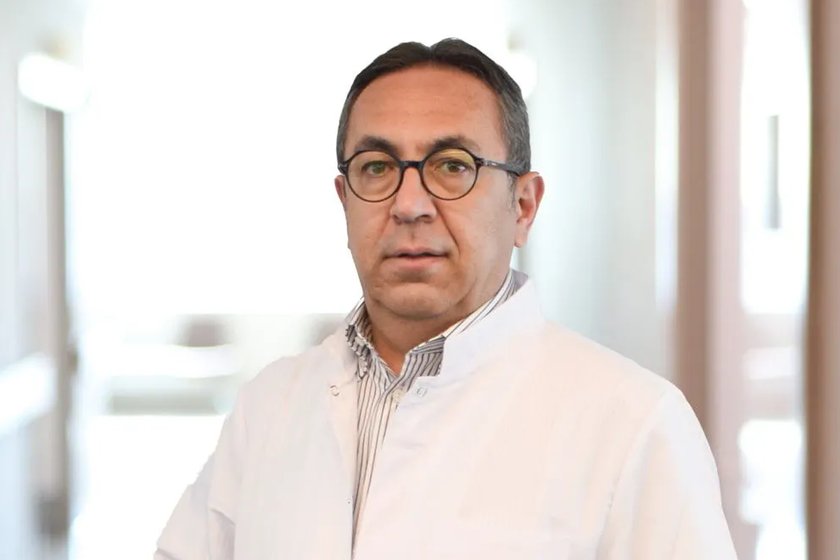
Prof. Dr. Cengiz Gemici

Prof. Dr. Cengiz Gemici

Radyasyon Onkolojisi

Bahçelievler & Pendik Medical Park
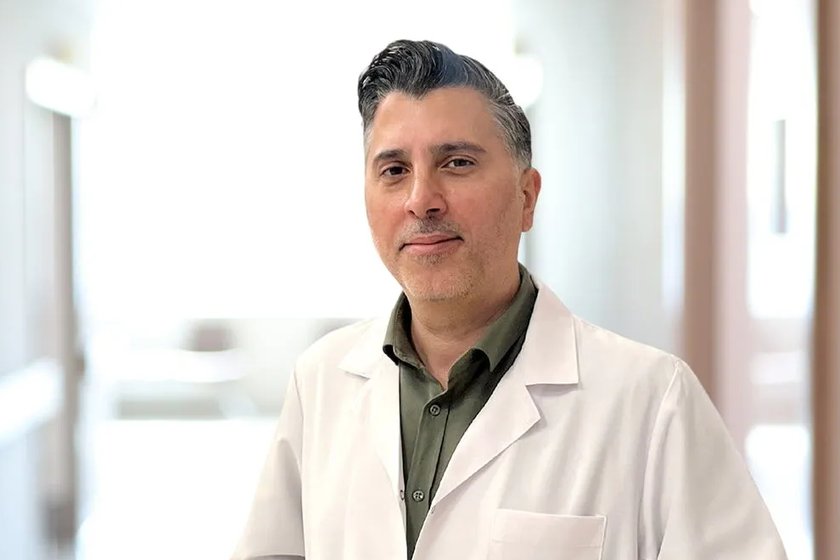
Uzm. Dr. Mehmet Fatih Akyüz

Uzm. Dr. Mehmet Fatih Akyüz

Radyasyon Onkolojisi

Bahçelievler Medical Park
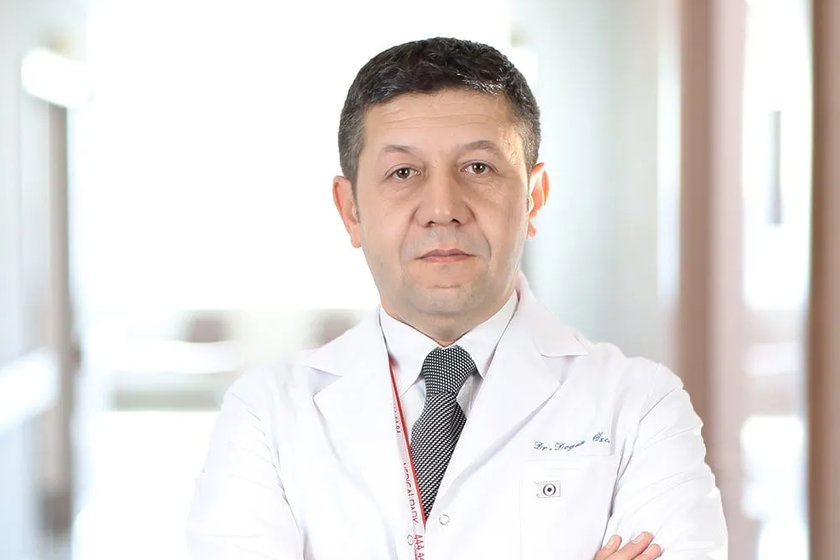
Uzm. Dr. Doğan Özcan

Uzm. Dr. Doğan Özcan

Radyasyon Onkolojisi

Bahçelievler Medical Park
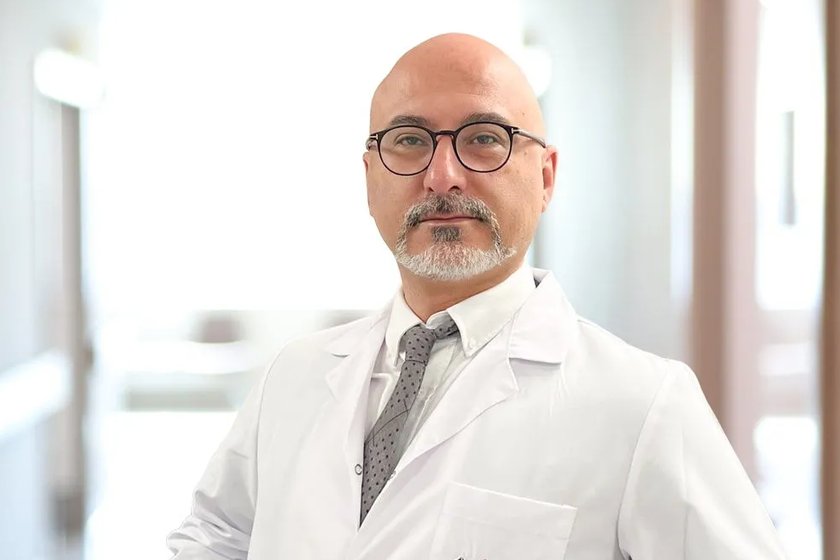
Uzm. Dr. Gökhan Yılmazer

Uzm. Dr. Gökhan Yılmazer

Radyasyon Onkolojisi

Göztepe Medical Park
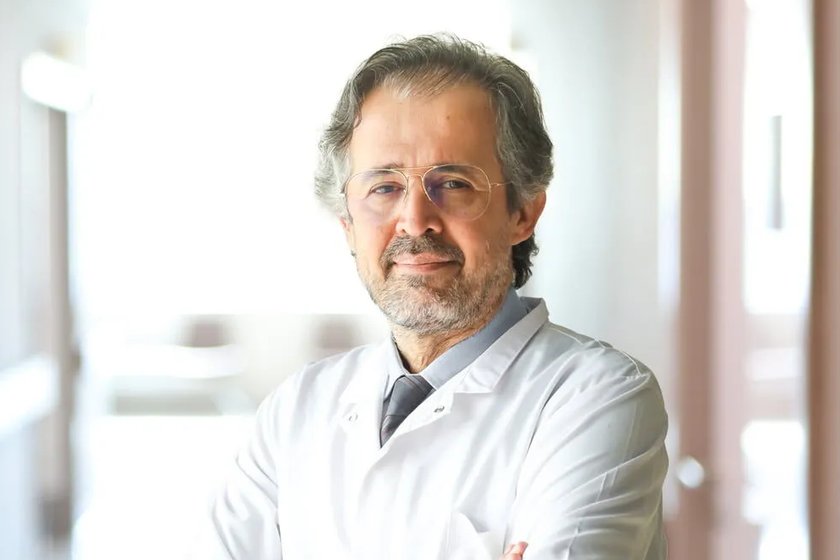
Uzm. Dr. Fatih Oruç

Uzm. Dr. Fatih Oruç

Radyasyon Onkolojisi

Pendik Medical Park
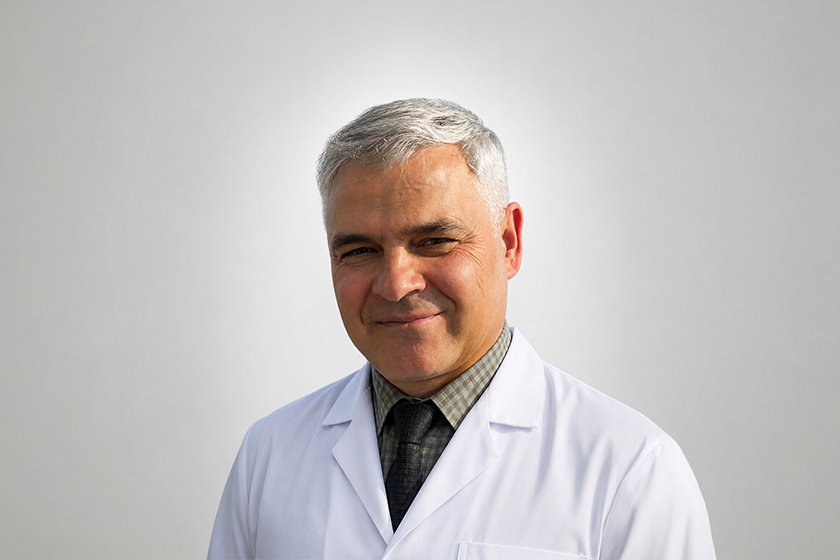
Prof. Dr. Özcan Yıldız

Prof. Dr. Özcan Yıldız

Tıbbi Onkoloji

Biruni Üniversitesi Tıp Fakültesi
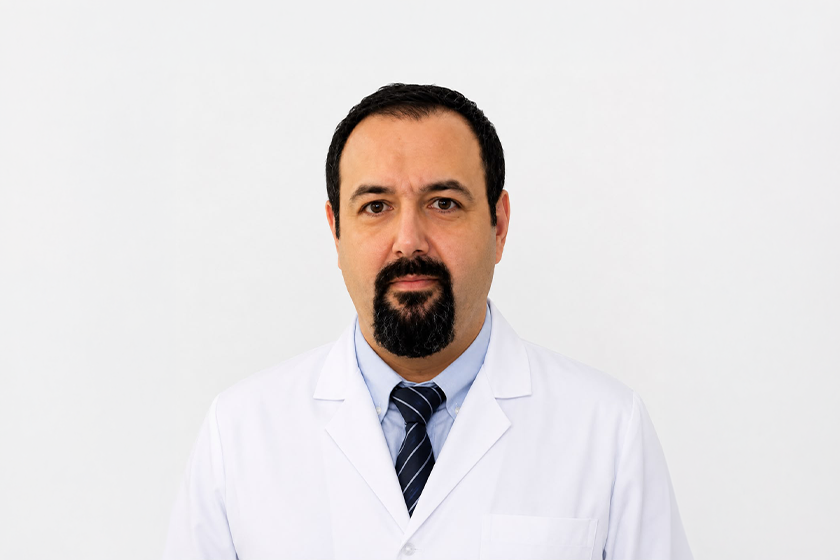
Uzm. Dr. Hamza Uğur Bozbey

Uzm. Dr. Hamza Uğur Bozbey

Tıbbi Onkoloji

İÜ Onkoloji Enstitüsü

You are not alone in your cancer treatment journey!

Knowledge, support and trust — with you at every step. Submit your case to our multidisciplinary council today.