Skip to content
Oncocouncil.ai
All Councils
Patient-Based Council

Neuroendocrine Tumors Council

Neuroendocrine tumors are rare and can behave very differently from one patient to another. Accurate grading and determining functional status form the basis of the treatment decision.

About the disease

Neuroendocrine tumors (NETs) arise from hormone-producing cells and can occur in many organs, most often the digestive system and the lungs. Some secrete hormones and cause symptoms (functional), while others remain silent.

Grading based on the Ki-67 index and mitotic count (G1, G2, G3), together with the distinction between well-differentiated NET and poorly differentiated NEC, is the single most critical step in determining the treatment path.

The sequence between somatostatin receptor imaging (Ga-68 DOTA PET), somatostatin analogues, PRRT (Lu-177), targeted agents and surgery is decided jointly according to disease extent and growth rate.

Which specialties evaluate it?

In this council your case is reviewed jointly by the disciplines below.

  • Medical Oncology
  • Nuclear Medicine
  • Endocrinology
  • General Surgery
  • Gastroenterology
  • Radiology
  • Pathology
  • Radiation Oncology

Files requested from the patient

  • Pathology report (Ki-67 index, mitotic count, grade)
  • Immunohistochemistry results (chromogranin A, synaptophysin, etc.)
  • Ga-68 DOTA PET/CT or somatostatin receptor imaging report
  • CT / MRI images and reports
  • Hormone and tumor marker results (chromogranin A, 5-HIAA, etc.)
  • Discharge summary and details of treatments received (analogues, PRRT, surgery)

Clinical questions answered

  • How do my tumor’s grade and differentiation affect my treatment choice?
  • Is somatostatin analogue therapy suitable for me?
  • Am I eligible for PRRT (Lu-177), and when should it be considered?
  • Is surgery still an option, and how should liver metastases be approached?
  • How can my functional symptoms be brought under control?
  • How often should I be followed up and with which tests?

Scope of the council report

  • Written opinion confirming the case was reviewed by a multidisciplinary council
  • Council confirmation of the diagnosis, stage and risk group
  • Recommended treatment options and the reasoning behind them
  • Alignment with current guidelines (ESMO / NCCN) and a level-of-evidence note
  • Comparison of alternative options and their expected side-effect profiles
  • Recommendations for any additional tests or consultations
  • Potentially suitable clinical trial options

Scope of the second opinion

  • Independent review of the current diagnosis and staging
  • Re-evaluation of pathology and imaging findings
  • Confirmation that the ongoing or planned treatment is appropriate
  • Comparative presentation of alternative treatment approaches
  • Clarification of unanswered clinical questions
  • Assessment of how well the decision fits the patient’s priorities and quality-of-life goals

Related specialists

The expert team serving on our councils.
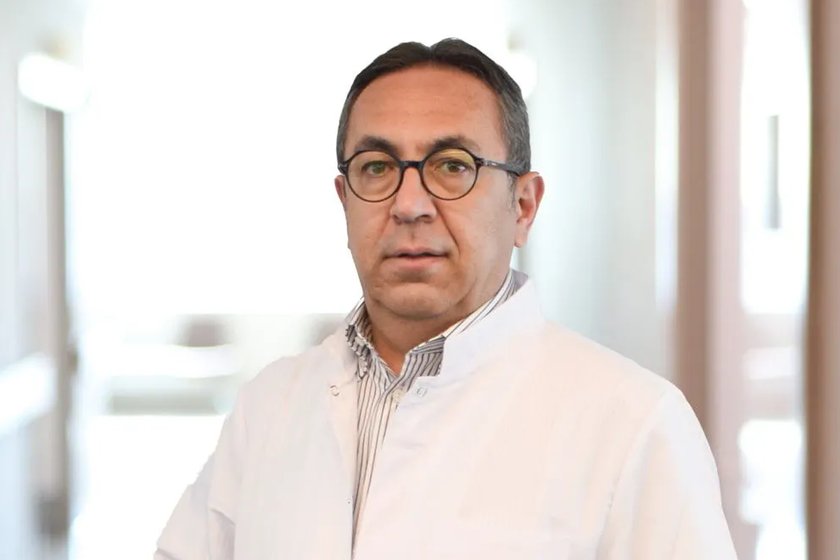
Prof. Dr. Cengiz Gemici

Prof. Dr. Cengiz Gemici

Radyasyon Onkolojisi

Bahçelievler & Pendik Medical Park

Uzm. Dr. Mehmet Fatih Akyüz

Uzm. Dr. Mehmet Fatih Akyüz

Radyasyon Onkolojisi

Bahçelievler Medical Park
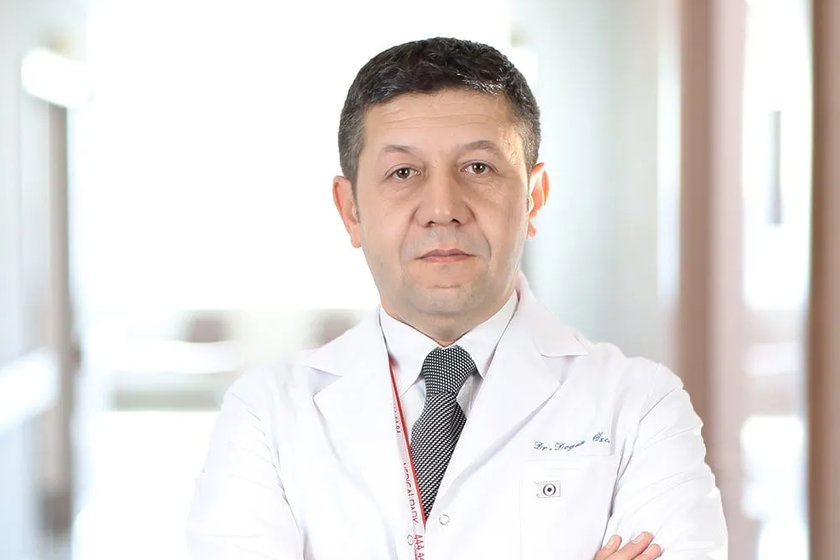
Uzm. Dr. Doğan Özcan

Uzm. Dr. Doğan Özcan

Radyasyon Onkolojisi

Bahçelievler Medical Park

Uzm. Dr. Gökhan Yılmazer

Uzm. Dr. Gökhan Yılmazer

Radyasyon Onkolojisi

Göztepe Medical Park

Uzm. Dr. Fatih Oruç

Uzm. Dr. Fatih Oruç

Radyasyon Onkolojisi

Pendik Medical Park

Prof. Dr. Özcan Yıldız

Prof. Dr. Özcan Yıldız

Tıbbi Onkoloji

Biruni Üniversitesi Tıp Fakültesi
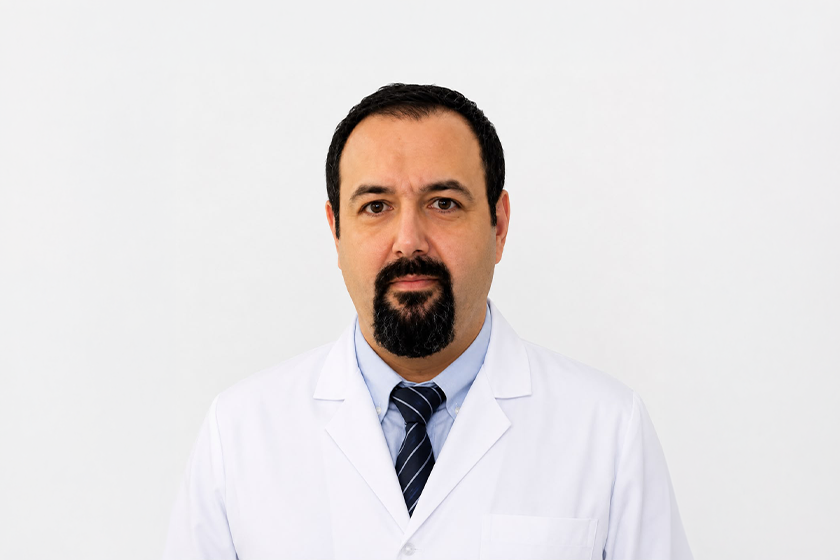
Uzm. Dr. Hamza Uğur Bozbey

Uzm. Dr. Hamza Uğur Bozbey

Tıbbi Onkoloji

İÜ Onkoloji Enstitüsü

You are not alone in your cancer treatment journey!

Knowledge, support and trust — with you at every step. Submit your case to our multidisciplinary council today.