Why Is a Second Opinion No Longer Enough?
A second opinion from a single expert often falls short in complex oncology cases.
5 min readRead
In prostate cancer the right decision emerges when risk group, life expectancy and the patient’s own priorities are weighed together. Our council brings urology, radiation oncology and medical oncology to the same table.
Prostate cancer is one of the most common cancers in men, and a significant proportion progresses slowly. Active treatment is therefore not required for every patient; in selected low-risk cases active surveillance may be the most appropriate approach.
The treatment decision is shaped by PSA level, Gleason (ISUP) grade, clinical stage, multiparametric MRI and PSMA PET findings, together with the patient’s age and comorbidities. Radical prostatectomy, radiotherapy and hormone therapy are the main options.
In advanced disease, hormone sensitivity, the extent of metastasis and genetic test results (such as BRCA) determine the treatment sequence. Making these decisions together strikes the balance between overtreatment and undertreatment.
In this council your case is reviewed jointly by the disciplines below.
The expert team serving on our councils.
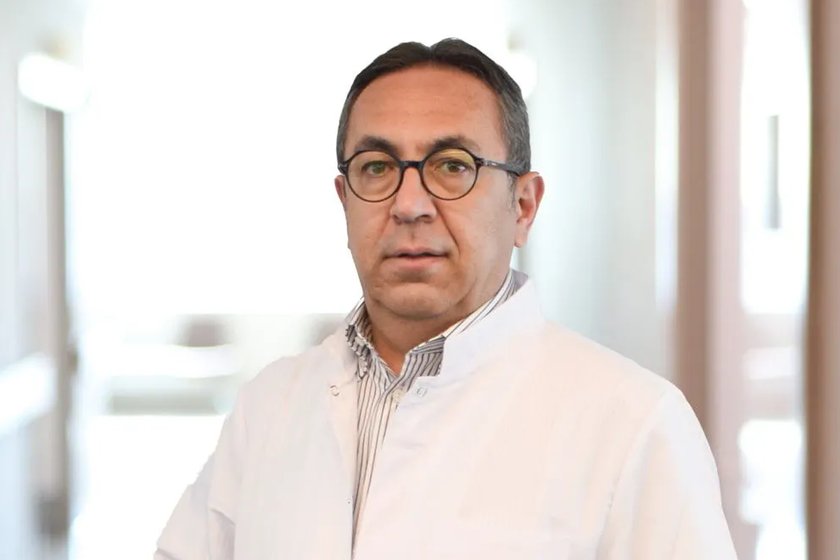
Radyasyon Onkolojisi
Bahçelievler & Pendik Medical Park
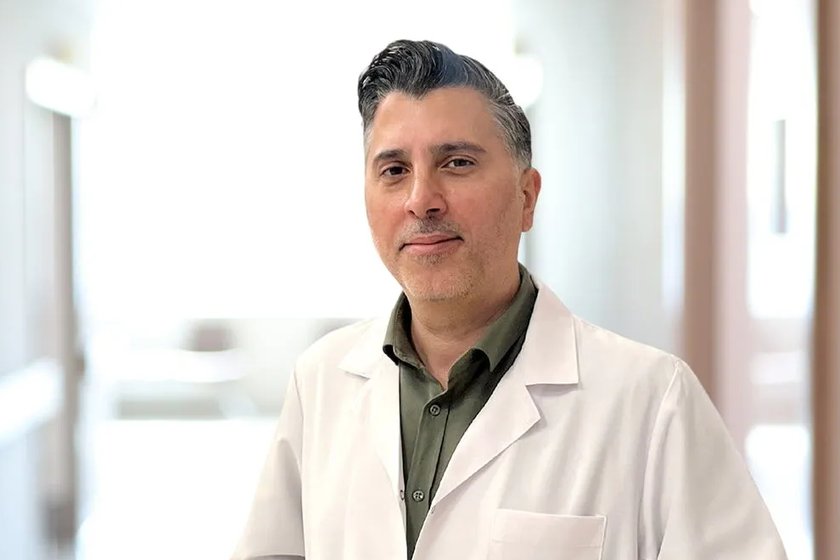
Radyasyon Onkolojisi
Bahçelievler Medical Park
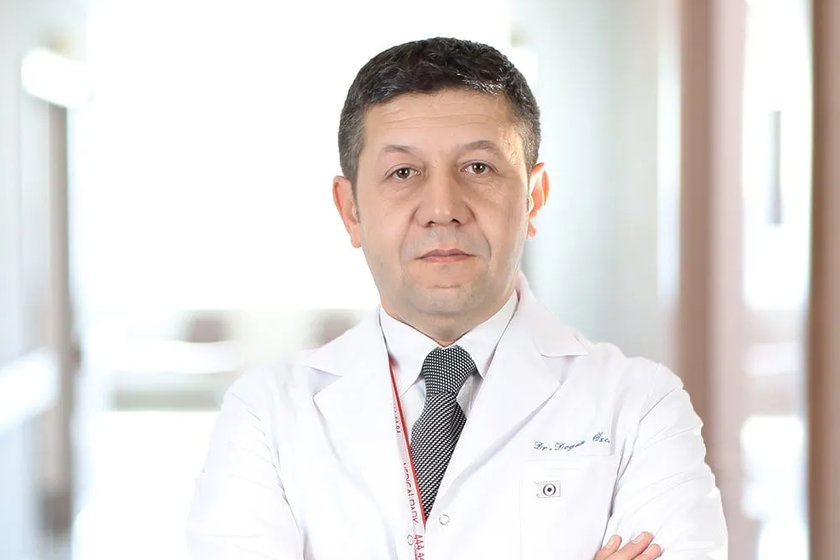
Radyasyon Onkolojisi
Bahçelievler Medical Park
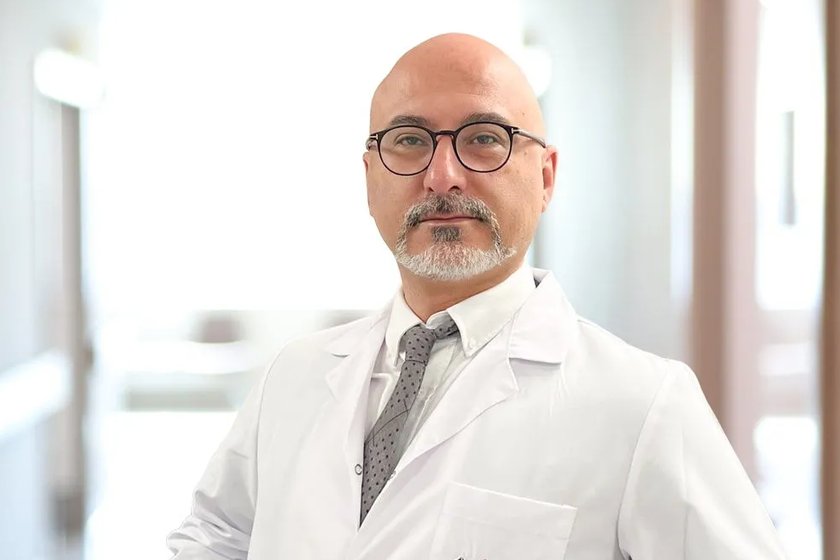
Radyasyon Onkolojisi
Göztepe Medical Park
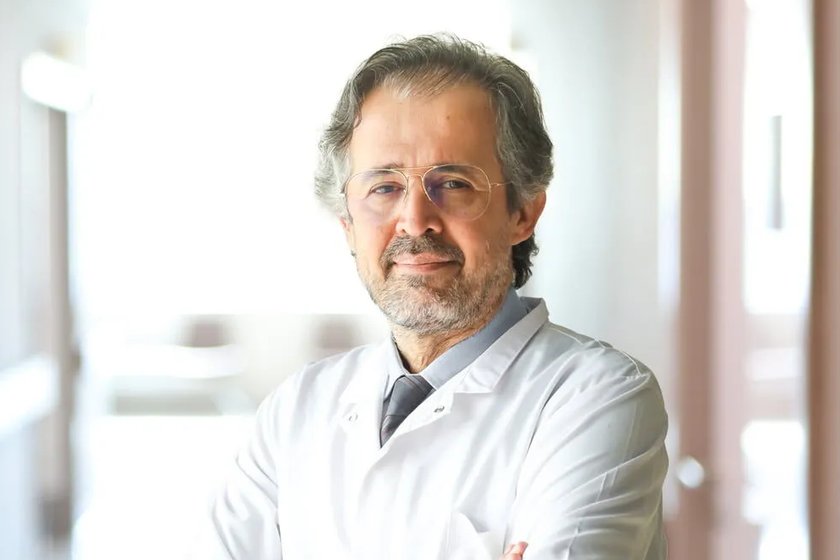
Radyasyon Onkolojisi
Pendik Medical Park

Tıbbi Onkoloji
Biruni Üniversitesi Tıp Fakültesi
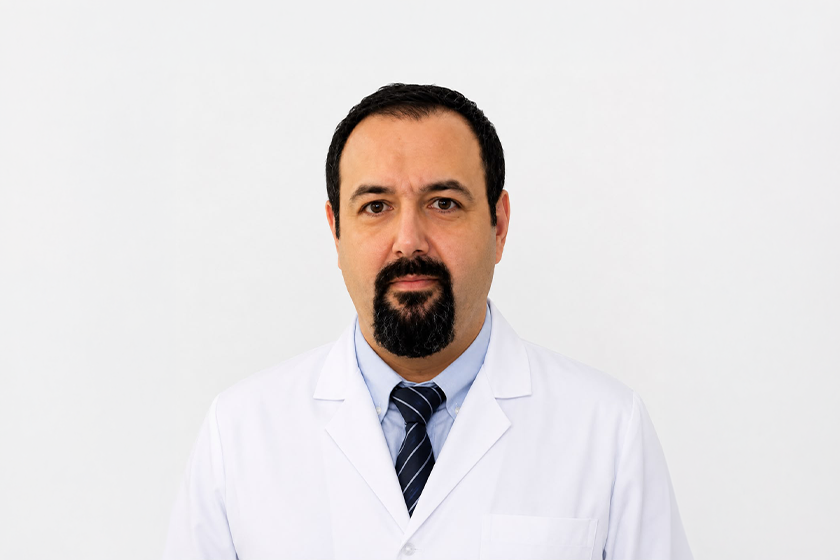
Tıbbi Onkoloji
İÜ Onkoloji Enstitüsü
Related reading from OncoSphere.
A second opinion from a single expert often falls short in complex oncology cases.
Holistic cancer care covers quality of life beyond the treatment decision.
Clinical decision intelligence combines data, evidence and expert opinion in a single architecture.
Knowledge, support and trust — with you at every step. Submit your case to our multidisciplinary council today.